
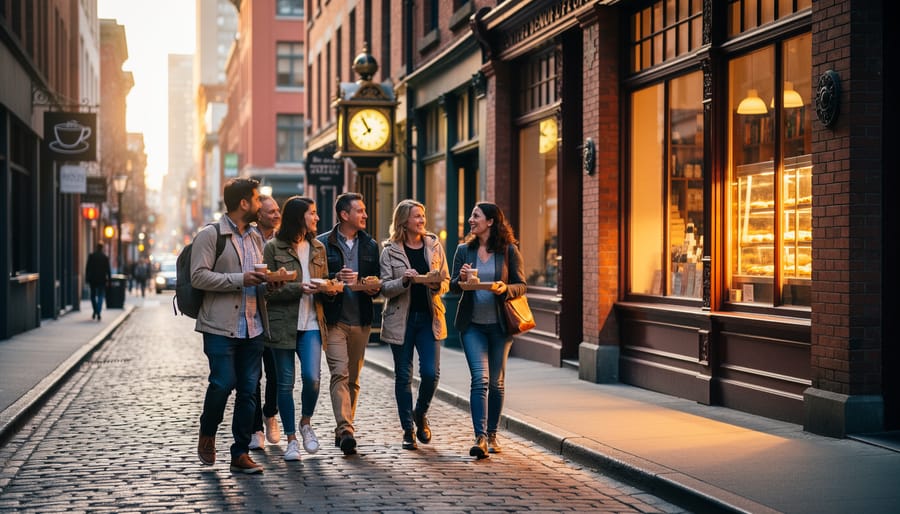
Vancouver’s Gastown food tours deliver a three-hour guided culinary journey through cobblestone streets where the city’s oldest neighborhood meets its most innovative artisan food scene. You’ll walk roughly two kilometers, stopping at six to eight carefully curated spots that showcase everything from 19th-century bakeries to third-wave coffee roasters, all while learning how this historic district helped shape Vancouver’s food heritage.
The magic of a Gastown food tour isn’t just the maple bacon doughnuts or the hand-pulled mozzarella, though those certainly don’t hurt. It’s the stories behind the steam clock, the family recipes that survived multiple generations, and the moment you realize that alley you walked past a dozen times hides a chocolate maker sourcing beans directly from Ecuador. Local guides unlock doors that stay closed to casual visitors and introduce you to the faces behind counters, the people who rise at 4 a.m. to proof sourdough or spend afternoons testing hot sauce recipes.
The neighborhood itself amplifies every tasting. Red brick facades glow in afternoon light. The scent of fresh-baked bread drifts from century-old buildings. Between bites of house-cured charcuterie and sips of locally roasted espresso, you’re walking the same streets where Vancouver’s food story first took root, now reimagined by a new generation of makers who respect tradition while pushing boundaries.
Why Explore Gastown on a Food Tour
Gastown works as a food tour destination because the neighborhood compresses centuries of Vancouver’s evolution into fifteen walkable blocks. As Vancouver’s oldest neighbourhood it started as a rowdy mill town settlement in the 1860s, burned to the ground in 1886, rebuilt itself in brick and stone, declined into neglect by the 1960s, then gradually transformed into the culinary corridor you’ll encounter today. Walking these streets with a guide reveals that layered history through the food itself: heritage buildings now house third-wave coffee roasters, former warehouses shelter craft distilleries, and family recipes from immigrant communities sit alongside contemporary West Coast innovations.
The concentration of independent food makers here is unusual. Within a few blocks, you’ll find artisans hand-rolling pasta, curing salmon using Indigenous techniques, fermenting kombucha in small batches, and baking sourdough from century-old starters. These aren’t corporate outposts; they’re passionate creators who chose Gastown specifically for its character and community.
A guided tour unlocks advantages you can’t replicate wandering alone:
- Access to tucked-away shops and tasting rooms visitors typically miss
- Stories connecting each bite to neighborhood history, told by guides who know the streets intimately
- Curated tastings spanning European, Asian, Indigenous, and fusion cuisines in a single journey
- Direct conversations with the bakers, cheesemongers, and chefs behind what you’re eating
- A compact, pedestrian-friendly route that covers historic cobblestone streets without guesswork
The real value lies in context. Sampling cured meats becomes richer when you understand the Italian family tradition behind them, or why a baker sources heritage grains from Fraser Valley farms. Guides bridge those gaps, transforming random tastings into a coherent story about how Gastown became Vancouver’s most compelling food neighborhood.
What to Expect on Your Gastown Culinary Journey
Your Gastown culinary journey begins the moment you step onto the neighborhood’s uneven cobblestones, where the rattle of carriage wheels once echoed through Vancouver’s founding streets. The tour unfolds at a comfortable pace, think leisurely stroll, not marathon, with stops every block or two as your guide leads you through a carefully curated route that balances discovery with digestion.
Each tasting reveals a different facet of Gastown’s food culture. You might start at a European-style bakery where the scent of butter and caramelized sugar greets you before you’ve crossed the threshold, then move to a charcuterie counter where the proprietor explains how they cure their salumi. The variety keeps building: delicate dim sum from a family-run kitchen, a thoughtfully crafted cocktail that showcases BC spirits, artisan chocolates that snap with satisfying precision.
Between bites, your guide shares stories that layer historic context onto every meal. You’ll learn how a particular building survived the Great Fire, why certain immigrant communities settled nearby, and which restaurateur sparked a neighborhood revival. These narratives transform tastings into something more substantial, connections between past and plate.
What makes the experience memorable isn’t just the food. It’s watching a baker pull sourdough from a century-old oven, asking a barista about their roasting philosophy, and seeing how passionate individuals have built something meaningful in this small historic district.
Signature Stops and Culinary Highlights
1. Artisan Bakeries and Pastry Shops
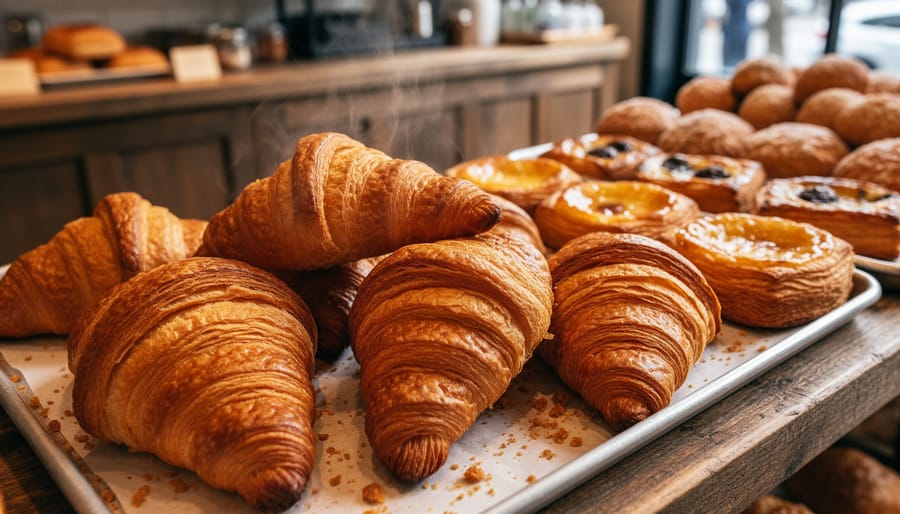
Stepping into one of Gastown’s artisan bakeries floods your senses with the warm scent of butter, caramelized sugar, and freshly milled flour. These aren’t industrial operations churning out uniform products, you’re meeting bakers who shape dough by hand, follow centuries-old European techniques, and source grains from Fraser Valley farms.
At a typical stop, you might watch a pastry chef laminate croissant dough through multiple folds, creating those signature flaky layers. The baker explains how resting times and temperature control make the difference between ordinary and exceptional. You’ll taste the proof: a still-warm almond croissant with visible butter crystals, or a sourdough loaf with a crackly crust that took three days to ferment.
The atmosphere matters as much as the pastries themselves. Flour dust catches afternoon light streaming through vintage windows. Display cases showcase morning’s work, canelés with their dark caramelized shells, Danish pastries glazed to a shine, rustic fruit galettes. The baker remembers regular customers by name, discusses seasonal berry suppliers, and shares why they chose wild yeast over commercial starters. It’s craft elevated to ritual.
2. Charcuterie and Cheese Purveyors
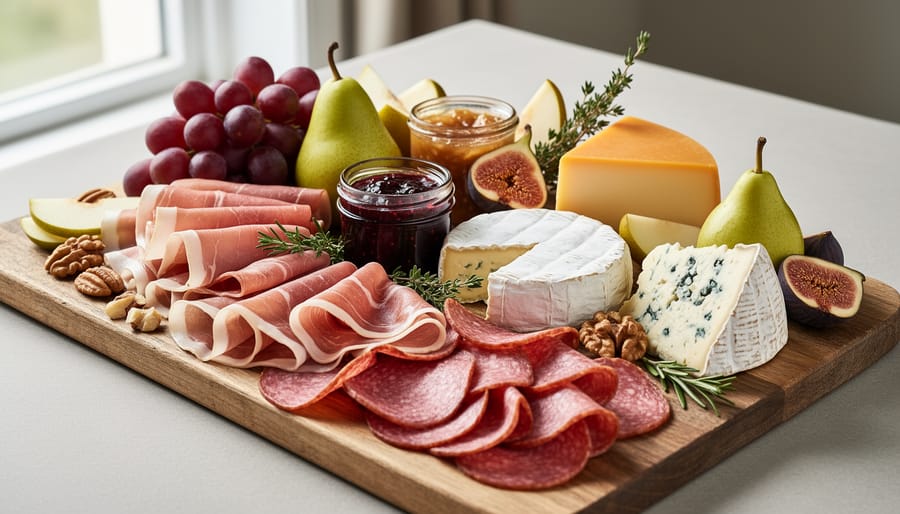
Gastown’s specialty shops showcase the art of curing, aging, and preserving through carefully curated selections of charcuterie and cheese. At these intimate stops, you’ll encounter everything from house-cured salumi to aged cheeses sourced from Vancouver Island farms and European producers who’ve perfected their craft over generations.
The proprietors behind these shops aren’t just retailers, they’re passionate curators who understand the story behind each product. They’ll guide you through tastings that reveal how climate, terroir, and technique shape flavor profiles. You might sample a locally-made duck rillette alongside a nutty aged Comté, or try preserved fruit compotes made from Fraser Valley berries that complement sharp cheddars.
These shops often feature small-batch preserves, pickles, and condiments that transform simple bread and cheese into memorable bites. The experience extends beyond tasting; you’ll learn about traditional preservation methods, optimal serving temperatures, and pairing principles you can apply at home. Many visitors discover producers they’ve never encountered elsewhere, making these stops ideal for sourcing unique gifts or planning future charcuterie boards.
3. International Flavors and Fusion Cuisine
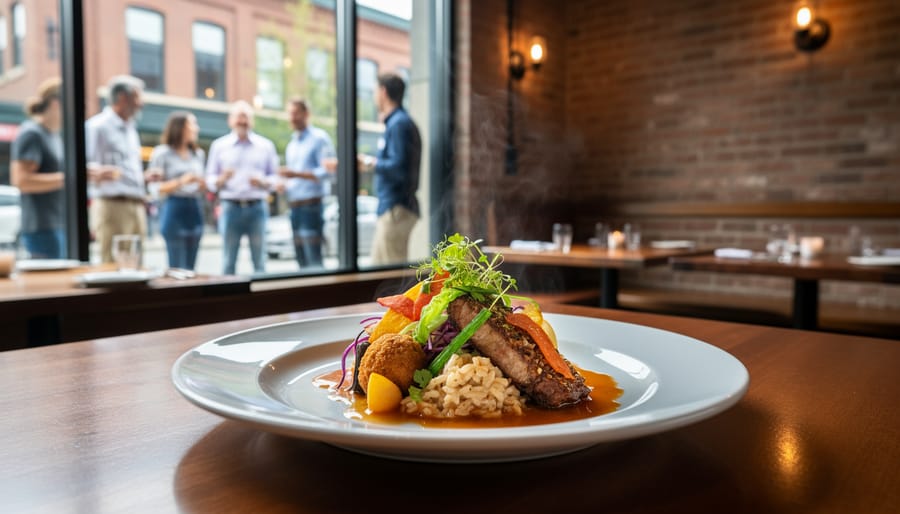
Gastown’s food tours reveal Vancouver’s multicultural soul through stops that blend traditions from across the Pacific and beyond. You might sample hand-pulled noodles at a chef-owned spot where generations-old techniques meet local ingredients, or taste Japanese-Peruvian fusion dishes that reflect Vancouver’s position as a Pacific Rim gateway. Latin American-inspired stops could introduce you to authentic tamales or inventive ceviches prepared by chefs who bring their heritage to Gastown’s historic streets.
These stops showcase how immigrant communities have shaped Vancouver’s culinary identity, offering international food inspiration that goes far beyond surface-level fusion. Tour guides share the personal stories behind each kitchen, the family recipes adapted to Canadian palates, the creative risks that established new neighborhood favorites, and the networks of producers and chefs supporting one another. You’ll taste how Korean bibimbap gets reimagined with West Coast vegetables, or how Chinese dim sum techniques influence contemporary small plates, all while learning why these flavors found their home in Gastown’s evolving food landscape.
4. Craft Beverage Experiences
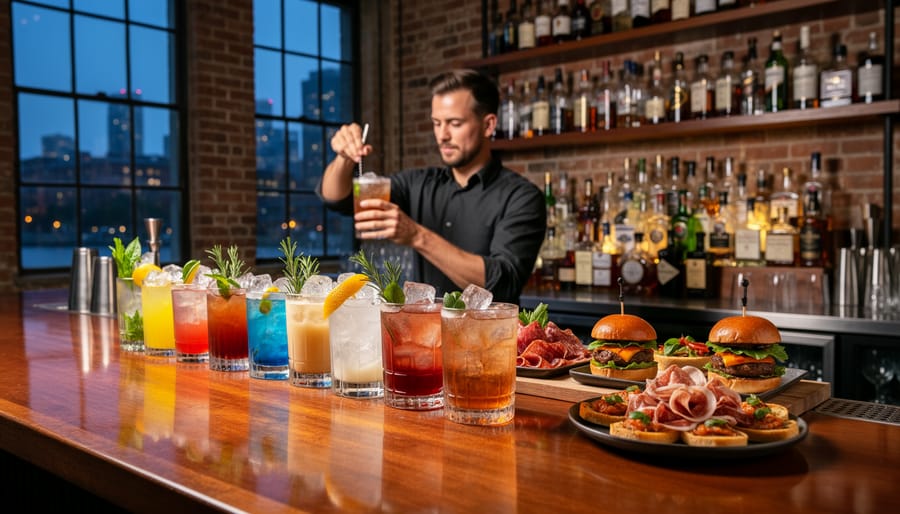
The craft beverage artisans of Gastown approach their drinks with the same dedication their neighbors bring to bread and charcuterie. At a specialty coffee roaster, you’ll meet the person who sources single-origin beans and controls every variable from roast profile to extraction time. They’ll explain why a light Ethiopian roast brings out fruity notes that pair beautifully with a buttery croissant you sampled earlier.
Craft cocktail bars reveal another layer of this dedication. Bartenders muddle fresh herbs from local farms, infuse spirits with seasonal ingredients, and build drinks that tell Vancouver stories. A gin cocktail might feature foraged Douglas fir tips, connecting you to the coastal forests surrounding the city.
Local breweries contribute their own perspective, often pouring small-batch ales that incorporate BC ingredients, Fraser Valley hops, Okanagan fruit. The brewers discuss fermentation science and creative risks while you taste how a crisp pilsner cleanses your palate between rich food stops.
These beverage experiences aren’t afterthoughts. They’re carefully chosen moments that refresh, complement, and deepen your understanding of Vancouver’s artisan community. Each drink connects to the larger culinary narrative your guide is weaving through Gastown’s streets.
5. Indigenous and Coastal Cuisine
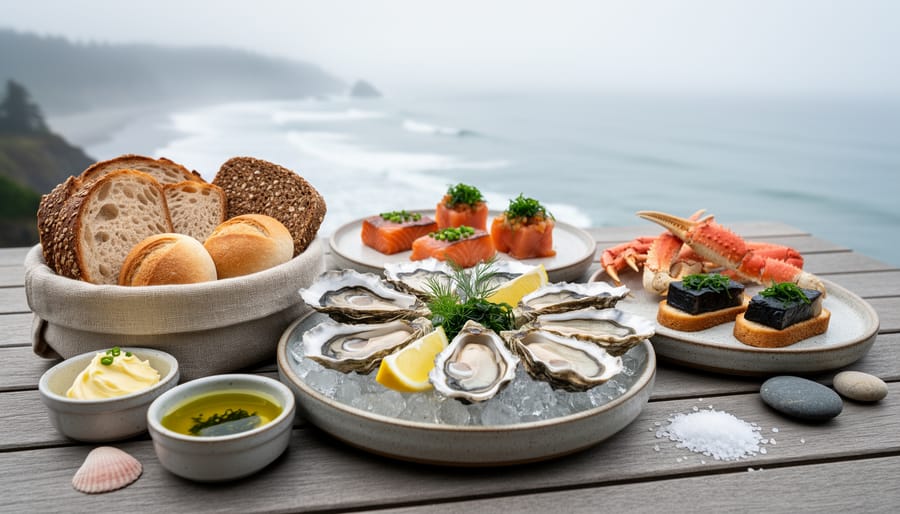
Gastown food tours offer meaningful encounters with Indigenous culinary traditions and Pacific Northwest coastal flavors that tell stories stretching back millennia. You’ll taste preparations rooted in Coast Salish food ways, smoked salmon cured using ancient techniques, bannock bread descended from traditional recipes, or dishes featuring cedar-planked fish and foraged ingredients like salal berries or seaweed.
What makes these stops profound is the cultural context. Knowledgeable guides or Indigenous food artisans share how salmon held spiritual significance beyond sustenance, why smoking and drying techniques enabled winter survival, and how modern Indigenous chefs are reclaiming and innovating these traditions. You might sample candied salmon with maple glaze, understanding how trade routes brought sweeteners to coastal communities, or taste bannock with contemporary twists that honor heritage while embracing creativity.
The coastal bounty extends beyond Indigenous traditions, BC spot prawns, Dungeness crab, or halibut preparations showcasing the region’s exceptional seafood. These tastings connect you to Vancouver’s maritime identity, the waters of the Salish Sea, and the fishing communities that sustain this food culture. The storytelling transforms each bite from simple tasting into cultural exchange, honoring the original stewards of these lands while celebrating flavors unique to this coast.
6. Sweet Finales and Dessert Stops
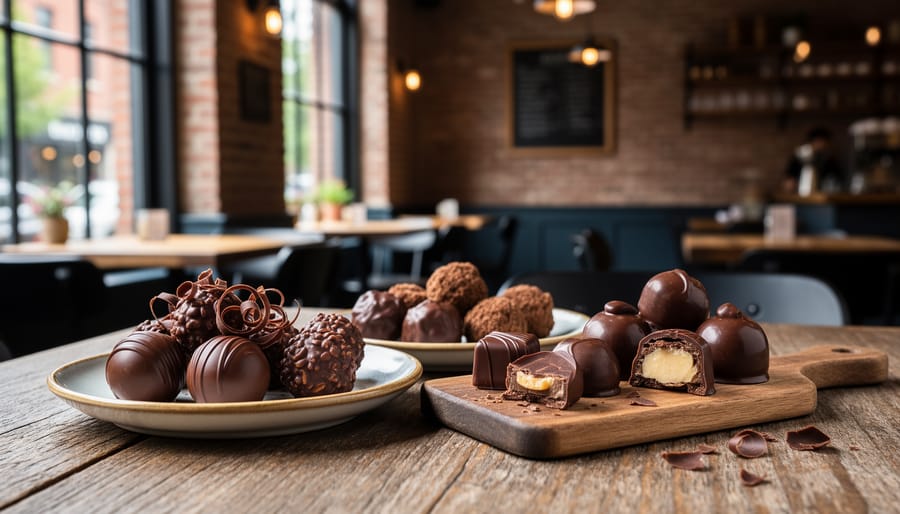
Every memorable food tour deserves a sweet ending, and Gastown’s dessert artisans deliver finales worth savoring. The neighborhood’s chocolatiers craft small-batch truffles and bonbons that showcase single-origin cacao, often incorporating unexpected local ingredients like sea salt harvested from Vancouver Island waters or honey from Fraser Valley apiaries. You’ll watch confectioners hand-temper chocolate and learn how subtle variations in roasting profiles create distinct flavor notes.
Innovative ice cream makers push beyond vanilla and chocolate, experimenting with seasonal fruit from nearby farms, house-made caramel ribbons, or bold combinations that might pair lavender with lemon or cardamom with pistachio. Even in cooler months, these creamy treats find enthusiastic takers.
Pastry shops present architectural desserts that blur the line between food and art, delicate mille-feuille with perfectly crisp layers, matcha-infused éclairs, or tartes that highlight peak-season berries. The presentation matches the taste, giving you that final Instagram moment before the satisfied walk back through Gastown’s historic streets, taste buds thoroughly delighted.
Practical Details for Your Gastown Food Tour
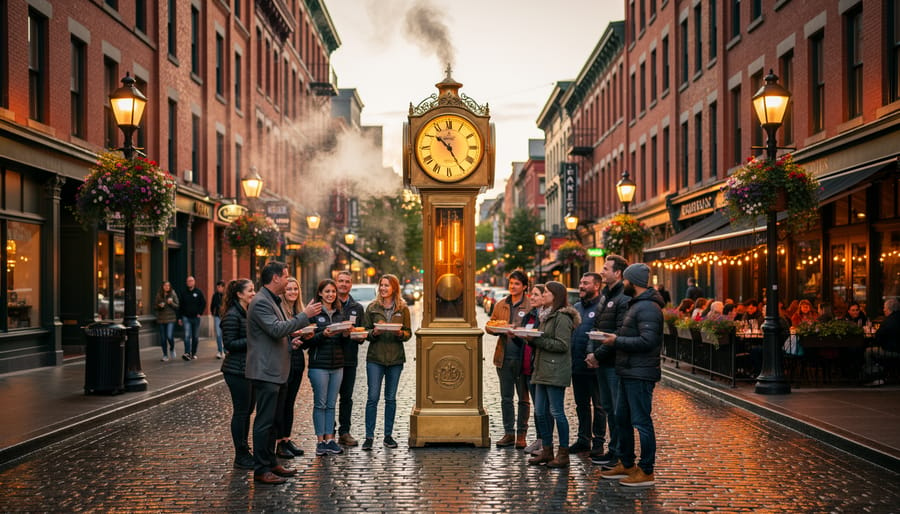
Most Gastown food tours run between 2.5 and 3 hours, giving you ample time to savor tastings without feeling rushed. Tours typically meet at a central Gastown location, often near the iconic steam clock at the corner of Water and Cambie streets, though your confirmation email will specify the exact spot. Guides carry identifiable signs or wear branded gear, making meetups straightforward even during busy periods.
| Detail | Information |
|---|---|
| Duration | 2.5-3 hours |
| Meeting Location | Central Gastown (near Water & Cambie) |
| Group Size | 8-15 guests typically |
| What’s Included | All tastings, guided commentary, water |
| Dietary Options | Vegetarian, vegan, gluten-free available |
| Booking Window | 1-2 weeks advance recommended |
Tour packages include all food and beverage tastings at each stop, plus bottled water to keep you hydrated while walking. Your guide provides historical and culinary context throughout, connecting you with the artisans and stories behind what you’re tasting. Group sizes hover between 8 and 15 guests, keeping the experience intimate enough for conversation without sacrificing the energy of a shared discovery.
Most operators accommodate dietary needs with advance notice. Vegetarian, vegan, and gluten-free modifications are standard, while other restrictions can often be addressed if you mention them during booking. Contact the tour company directly if you have specific concerns, they’ll work with their partner venues to create suitable alternatives.
Gastown’s cobblestone streets and older buildings present accessibility challenges. Some stops involve stairs or narrow doorways, and the uneven pavement can be tricky for wheelchairs or walkers. If mobility is a concern, ask about specific routes when booking. Vancouver’s weather demands layering even in summer, and a light rain jacket proves useful year-round. Comfortable walking shoes with good grip are essential for navigating the historic streets safely.
When to Book and Best Times to Visit
Gastown food tours run year-round, but timing your visit can shape the experience. Summer months (June through August) bring the warmest weather and longest daylight, making walking tours particularly pleasant, though this is also peak tourist season when tours book quickly and streets feel busier. Spring and fall offer milder crowds and comfortable temperatures, with the bonus of seasonal ingredients appearing in tastings. Winter tours have their own charm, with cozy indoor stops providing warmth between cobblestone strolls, though you’ll want waterproof layers for Vancouver’s rainy season.
Morning tours typically start around 10 or 11 a.m., letting you experience bakeries when goods are freshly baked and taste breakfast-inspired offerings. Afternoon departures (1 or 2 p.m.) work well if you prefer a lighter breakfast and want the tour to serve as a substantial lunch. Weekday tours generally encounter fewer crowds than weekends, giving you more intimate interactions with food artisans.
Book at least two weeks ahead for summer and holiday periods; last-minute availability exists in shoulder seasons but isn’t guaranteed. Consider your broader Vancouver itinerary, scheduling the tour early in your trip helps you discover spots worth revisiting later.
Insider Tips for the Best Experience
Getting the most from your Gastown food tour starts well before you arrive at the meeting point. These strategies, learned from years of guiding visitors through the neighborhood, will help you savor every moment.
That said, don’t skip breakfast entirely. Starting the tour ravenous can lead to rushing through early tastings instead of savoring them, and you might miss the nuanced flavors your guide is highlighting.
Footwear matters more than you might expect. Gastown’s charming cobblestone streets are beautiful but unforgiving in heels or stiff shoes. Comfortable walking shoes with good support make the difference between enjoying the experience and counting the minutes until it ends. The tour covers several blocks at a leisurely pace, but you’ll be standing frequently as guides share stories and artisans explain their craft.
Bring genuine curiosity. The artisans and chefs you meet love talking about their work, from sourcing decisions to technique refinements. Asking questions, why they chose that ingredient, how long they’ve perfected a recipe, what inspired a particular dish, enriches the experience for everyone and often leads to the most memorable moments of the tour.
Leave your afternoon open if possible. You’ll likely want to return to a favorite stop, linger in a shop you passed, or simply sit with a coffee and absorb the neighborhood’s atmosphere. The tour plants seeds; giving yourself time afterward lets them grow into a deeper connection with Gastown’s culinary community.
Beyond the Tour: Exploring Gastown Further
Your Gastown food tour plants seeds you’ll want to nurture. Return to that bakery that stopped you in your tracks and pick up a loaf for breakfast, or revisit the charcuterie shop to assemble a picnic. Wander the side streets your guide pointed out, Abbott, Water, Cordova, where you’ll stumble upon additional cafés, wine bars, and hole-in-the-wall eateries that didn’t make the tour route.
The neighborhood rewards lingering. Photograph the steam clock on Water Street, browse the independent bookshops and Indigenous art galleries, peek into antique stores tucked between restaurants. Many tour participants discover their favorite spot wasn’t on the official itinerary but down an alley they explored afterward.
If Gastown’s culinary density ignites your appetite for discovery, Vancouver offers more food tours across neighborhoods like Granville Island, Commercial Drive, and Main Street. Each district tells its own story through local makers and immigrant kitchens. The connections you’ve made in Gastown, tasting, asking questions, meeting the people behind the food, become a template for exploring the rest of the city with fresh curiosity.
Frequently Asked Questions
Gastown food tours attract curious eaters who want to understand the logistics before they book. Here are answers to the most common questions visitors ask.
How much walking is involved on a Gastown food tour?
Expect a leisurely 1.5 to 2 kilometers over the course of the tour, all on relatively flat terrain through Gastown’s compact historic blocks. The pace is relaxed with plenty of standing time at each stop, making it manageable for most fitness levels.
Do tours run in the rain?
Yes, Vancouver Food Tours operate rain or shine since the city’s weather is famously unpredictable. Most of the tastings happen indoors, and umbrellas plus rain-friendly attire will keep you comfortable during brief outdoor transitions between stops.
Are children welcome on the tours?
Kids ages 6 and up are typically welcome and often enjoy the variety of tastings and storytelling elements. Some tour operators offer discounted youth pricing, though very young children may struggle with the duration and unfamiliar flavors.
How are dietary restrictions handled?
Tour operators work to accommodate vegetarian, vegan, gluten-free, and common allergy concerns when notified at booking. They’ll arrange suitable alternatives at most stops, though some highly specialized restrictions may limit certain tastings.
Is gratuity included in the tour price?
Gratuity for your guide is not typically included and remains at your discretion. A 15-20% tip is customary if you’ve enjoyed the experience and appreciated the guide’s knowledge and enthusiasm.
What’s the advantage over exploring Gastown on my own?
A guided tour provides insider access to artisans and stories you’d likely miss independently, pre-arranged tastings that showcase each venue’s specialties, and a curated route that connects culinary stops to neighborhood history in ways that deepen your appreciation of both.
These practical answers help set realistic expectations so you can focus on what matters most: savoring exceptional food and discovering the passionate people behind it. The combination of clear logistics and experienced guides makes Gastown food tours a worry-free way to explore Vancouver’s culinary heritage.
Leave a Reply