
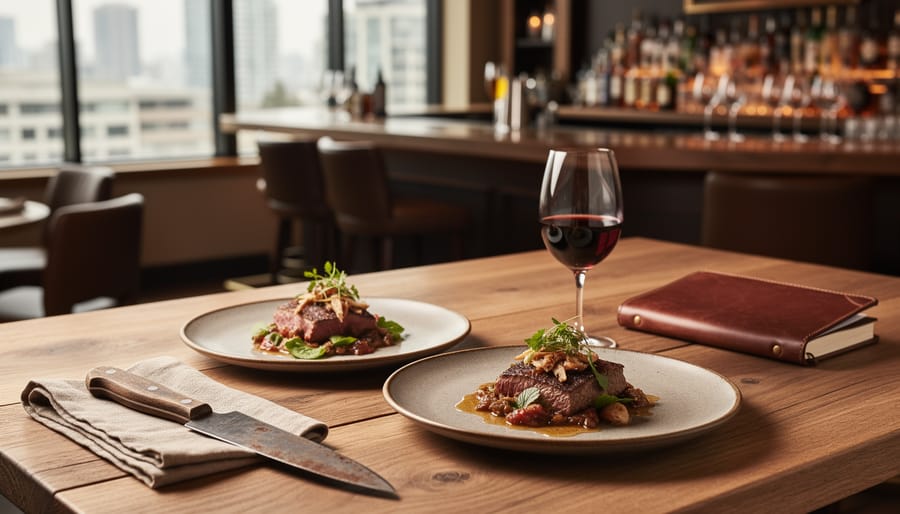
Responsible entertainment habits share more common ground than you might expect, whether you’re planning a tasting menu crawl through Gastown or choosing to bet on sports with Moonbet for an evening’s diversion. Both require self-awareness, budget discipline, and the ability to recognize when pleasure shifts into excess. Vancouver’s culinary scene thrives on mindful exploration: locals know to set spending limits before hitting Granville Island, pace themselves through multi-course dinners, and walk away satisfied rather than overwhelmed. The same principles apply to any form of leisure gaming.
Think of it as portion control for your entertainment dollar. Just as a skilled chef balances flavors without letting one ingredient dominate the plate, responsible play means allocating time and resources across all your interests without letting any single pursuit consume your budget or attention. The craft cocktail bars of Main Street teach us that quality beats quantity. A carefully chosen experience, savored fully and ended at the right moment, delivers more satisfaction than mindless consumption.
This approach matters because Vancouver’s community values balance. The city’s food culture celebrates ritual and restraint alongside indulgence: the daily espresso at your neighborhood roastery, the monthly splurge at that new restaurant everyone’s talking about. When we extend that same intentionality to online entertainment, we protect both our wallets and our well-being. The goal isn’t abstinence but awareness, building habits that enhance life rather than complicate it.
The Philosophy of Mindful Indulgence

Setting Boundaries Before You Begin
Before stepping into any pleasurable activity, whether booking a reservation at a celebrated Vancouver restaurant or exploring the city’s culinary neighborhoods, deciding your financial limits creates freedom rather than restriction. Setting a clear budget transforms potential anxiety into confident enjoyment.
Start by calculating your discretionary spending for the month, then allocate specific amounts to different entertainment categories. For culinary adventures, consider what feels comfortable without compromising essential expenses or savings goals. If you’re planning multiple outings, divide your budget accordingly: perhaps $100 for a weekend market exploration, $150 for a mid-tier dining experience, or $200 for a comprehensive food tour planning adventure through neighborhoods like Gastown or Chinatown.
Write these numbers down before you engage. Physical commitment matters. Once you’ve set the limit, treat it as non-negotiable. Bring cash if that helps enforce boundaries, or use separate accounts for entertainment spending. This upfront decision-making removes in-the-moment pressure, letting you savor each bite, each conversation, each discovery without the nagging worry of overspending creeping into your experience.
Quality Over Quantity in Every Experience
Choosing one exceptional meal over multiple mediocre ones transforms dining from mere consumption into meaningful experience. When you allocate your entertainment budget toward a single tasting menu at a chef-driven restaurant in Chinatown rather than rushing through several forgettable chains, you create space to notice subtle flavors, appreciate craftsmanship, and build lasting memories. This principle extends across all leisure activities: depth of engagement matters more than frequency.
The same mindset applies when selecting any form of entertainment. A two-hour window spent fully present at a neighborhood food market, conversing with vendors and sampling thoughtfully, delivers richer satisfaction than endless scrolling or distracted consumption. Setting a ceiling on how many new restaurants you explore monthly or how much time you dedicate to any single leisure pursuit helps maintain that quality-focused approach.
Vancouver’s culinary landscape rewards this selective attention. The effort invested in researching a single outstanding dim sum experience or craft brewery visit pays dividends in stories worth sharing and sensations you actually remember. By prioritizing memorable engagement over accumulation, you shift from passive consumption toward active appreciation, a pattern that keeps any entertainment healthy and fulfilling rather than compulsive.
Recognizing When Enjoyment Becomes Excess

The moment enjoyment tips into excess rarely announces itself with clear signals. Instead, it creeps in through small shifts, a dinner reservation you can’t really afford but justify anyway, or checking your phone during a meal to squeeze in just one more activity. Whether you’re exploring Vancouver’s restaurant scene or engaging in online entertainment, the transition from healthy pleasure to problematic behavior follows similar patterns worth recognizing.
One of the earliest indicators is financial strain that you rationalize rather than address. If you find yourself covering food expenses or leisure spending with money earmarked for rent, utilities, or savings, you’ve crossed a boundary. This goes beyond the occasional splurge, it’s a pattern of prioritizing immediate gratification over financial security. You might notice restaurant charges appearing more frequently on your credit card, or discover you’re avoiding checking your bank balance because you know what you’ll find.
Time distortion offers another revealing clue. When an activity that was supposed to last an hour stretches into three, or you realize you’ve missed commitments because you were absorbed in dining out or online entertainment, your relationship with that pleasure has shifted. You may start scheduling your day around these activities rather than fitting them into your existing life, or feel restless and preoccupied when you can’t engage in them.
The emotional component matters too. Healthy enjoyment leaves you refreshed and satisfied. Problematic engagement leaves you anxious, guilty, or chasing a feeling that never quite arrives. You might eat beyond fullness to recreate the joy of an earlier meal, or continue an activity long past the point of actual pleasure because stopping feels impossible. When you notice yourself lying to friends or family about how much you’re spending or how often you’re indulging, that secrecy signals a deeper issue.
Research on the warning signs of gambling disorder identifies patterns that extend across entertainment categories: preoccupation with the activity, needing to increase frequency or intensity to feel satisfied, unsuccessful attempts to cut back, and using the behavior to escape problems or negative feelings.
Self-awareness remains your strongest tool. Ask yourself honestly: Does this activity enhance my life, or am I using it to avoid something? Am I making conscious choices, or operating on autopilot? Your answers matter more than any external checklist.
Building a Balanced Lifestyle in Vancouver’s Entertainment Landscape
Community-Centered Experiences

Vancouver’s culinary landscape thrives on connection, offering entertainment that naturally brings people together rather than isolating them. When you join a walking food tour through Gastown tour stops you’re not just tasting smoked salmon or craft cocktails, you’re sharing stories with strangers who become friends, learning from local guides who know every chef by name, and discovering neighborhoods through conversations at each stop.
This community-centered approach to pleasure stands in sharp contrast to solitary entertainment habits that keep you locked behind a screen. Exploring Granville Island bites means bumping into artisans at the Public Market, chatting with fishmongers about their daily catch, and sitting elbow-to-elbow with locals at counter seats where recommendations flow freely.
These shared culinary experiences create accountability through visibility. When your entertainment happens in public spaces among real people, you naturally moderate your behavior, stay present in the moment, and build relationships that enrich your life beyond the immediate pleasure. The vendors remember your face, neighbors recognize you at their favorite spots, and you become part of a food community that values quality interactions over anonymous consumption. This social fabric transforms dining from mere transaction into meaningful connection.
Creating Personal Entertainment Guidelines
Establishing your own entertainment guidelines starts with honest reflection about what brings genuine pleasure versus what you’re doing out of habit or impulse. Begin by tracking one week of leisure spending, restaurant meals, tickets, subscriptions, any form of paid entertainment, to see where your money actually goes. The patterns might surprise you.
From there, create three simple tiers: essentials (the regular coffee shop visits that truly boost your week), special occasions (the splurge-worthy tasting menu once a quarter), and flexible funds (spontaneous food truck lunches or pop-up events). Assign dollar amounts to each category based on your overall budget, not arbitrary percentages you’ve read somewhere. Your twenties barista has different numbers than a retired professional, and that’s fine.
Set time boundaries alongside financial ones. Decide how many evenings per week you’ll dedicate to going out versus cooking at home. Schedule restaurant visits like you would coffee with a friend, they become anticipated events rather than mindless habits. When you do splurge on that Gastown tasting menu or Granville Island food tour, be fully present. Put your phone away, engage with companions, notice the flavors.
Review your guidelines quarterly. Your circumstances change, neighborhoods evolve, new culinary scenes emerge. The framework shouldn’t feel restrictive, it should protect the joy while preventing the stress that comes from overextending yourself, whether financially or emotionally.
Resources and Support for Mindful Living
Vancouver offers numerous resources for those seeking to maintain balanced, mindful approaches to entertainment and leisure. The city’s community centers regularly host workshops on financial wellness and intentional living, check programs at the West End Community Centre or the Vancouver Public Library’s Central Branch, where free seminars cover budgeting strategies and mindful consumption habits. These sessions provide practical tools for setting personal spending guidelines across all entertainment categories, from dining out to digital leisure.
Several local organizations focus on proactive financial health rather than crisis management. Credit counselling services like the Credit Counselling Society of BC offer free consultations on creating sustainable entertainment budgets that align with your income and goals. Their approach emphasizes building healthy spending patterns before issues arise, helping you map out how much you can comfortably allocate to culinary exploration, cultural events, and other pleasures without compromising financial stability.
For those who prefer peer support, Vancouver hosts various mindful living groups and wellness meetups where members share strategies for intentional enjoyment. These gatherings, often organized through community boards or platforms like Meetup, create accountability networks that celebrate conscious choices. The Vancouver Wellness Collective runs monthly sessions on building sustainable lifestyle habits, including discussions on setting personal boundaries around spending and screen time. By connecting with others who value intentional living, you create a supportive framework that makes balanced entertainment feel natural rather than restrictive, reinforcing the idea that mindful indulgence enhances rather than limits your quality of life.
Frequently Asked Questions
Setting clear boundaries around any form of entertainment starts with honest self-assessment. Before you explore Vancouver’s culinary scene or engage with any leisure activity, decide what portion of your discretionary budget feels comfortable to allocate, typically 5-10% of monthly income for all entertainment combined. Write down that number and track your spending against it. The same discipline applies whether you’re booking a chef’s table experience or setting aside funds for online recreation: know your limit before you begin, and treat it as non-negotiable.
How do I know if my entertainment spending has become unhealthy?
Warning signs include regularly exceeding your predetermined budget, feeling anxious or secretive about your spending, or sacrificing essential expenses to fund leisure activities. If you’re borrowing money for entertainment or spending more time thinking about your next experience than enjoying the present, it’s time to reassess.
What’s a realistic entertainment budget for someone living in Vancouver?
Financial advisors typically recommend allocating no more than 10% of your after-tax income to all discretionary entertainment, dining out, cultural events, and online leisure combined. For someone earning $60,000 annually, that translates to roughly $400-500 monthly across all categories.
How can I enjoy Vancouver’s food scene without overspending?
Focus on quality over frequency: choose one exceptional dining experience monthly rather than multiple mediocre meals. Explore neighborhood food markets, attend free tasting events, and cook inspired dishes at home between restaurant visits to maintain the connection without constant spending.
When should I seek support for entertainment habits?
If you find yourself unable to stop despite negative consequences, hiding your activities from loved ones, or experiencing financial distress due to leisure spending, reach out to a counselor or financial advisor. Vancouver offers community resources through family services and wellness centers that provide confidential support.
The distinction between healthy enjoyment and problematic behavior often comes down to control. Can you walk away from a culinary tour feeling satisfied, or do you immediately plan the next one? Do you respect the time and money limits you set, or do they shift whenever temptation appears? Mindful entertainment means savoring what you have rather than constantly chasing more. When you finish a memorable meal at one of Vancouver’s neighborhood bistros, the experience should feel complete, a chapter closed, not a craving demanding immediate satisfaction. That same contentment applies to any form of leisure: if you can close the door and feel genuinely fulfilled rather than restless, you’re engaging responsibly.
Leave a Reply